 |
 |
 |
 |
 |
 |
 |
SPA Emociones |
contents
Introduction | The messy nature of emotions | The fuzziness of emotion categories | The search for a ‘gold standard’ measure of emotions | Research potential

Emotions have a long history, deeply rooted in human evolution. Finally recognized as more than an addendum to rational thought, they have been given pride of place in our understanding of human cognition. Worldwide recognition of their impact on human behavior, social and work interactions, and even health has drawn attention to them as potential efficiency drivers in many different areas.
 |
| Source JR Bee - Verywell Mind |
Translation and Interpreting Studies (TIS, henceforth) have succumbed to emotions and the temptation to disclose their effects on the translator’s and interpreter’s work, albeit rather recently (Hubscher-Davidson 2018; Rojo 2018; Koskinen 2020). Beyond a few precedents, empirical research on emotions has been boosted by the recent turn of Cognitive Translation and Interpreting Studies (CTIS) from an information-processing perspective towards a more embedded view of human cognition that integrates emotions as inseparable from cognitive processes (Muñoz 2017).
Interpreting and translation have found common grounds in their latest interest to explore the role of emotional valence beyond stress and arousal, steering their joint efforts towards common goals, such as defining research standards for data collection and analysis (Rojo & Korpal 2020). Research on emotions in TIS has come a long way, but a great deal remains to be done. This entry addresses some of the most urgent needs by zeroing in on four issues crucial for emotion research: What is the nature of emotions? How can emotions be defined? What is the best way to measure them? and What future research is needed?
The first critical question asked by TIS seeks to provide a simple definition of emotion. Defining its nature has been in fact one of the central research questions on emotions: Is there anything like discrete clusters or families of basic emotions? Are emotions biologically endowed or culturally nurtured?
The paradoxical contrast between the prominent place that emotions occupy in our lives and the problems to provide a scientific explanation is widely acknowledged in research: “Emotions are one of the most apparent and important aspects of our lives, yet have remained one of the most enigmatic to explain scientifically” (Adolphs & Anderson 2018: xi). Barrett (2006) refers to this as the ‘emotion paradox’: people report to vividly experience daily emotions like anger, sadness or fear; we even have the ability to mirror them in others. And yet, no conclusive psychophysiological and neuroscientific evidence supports the existence of such discrete categories of experience. How can such a widespread phenomenon be so difficult to account for?
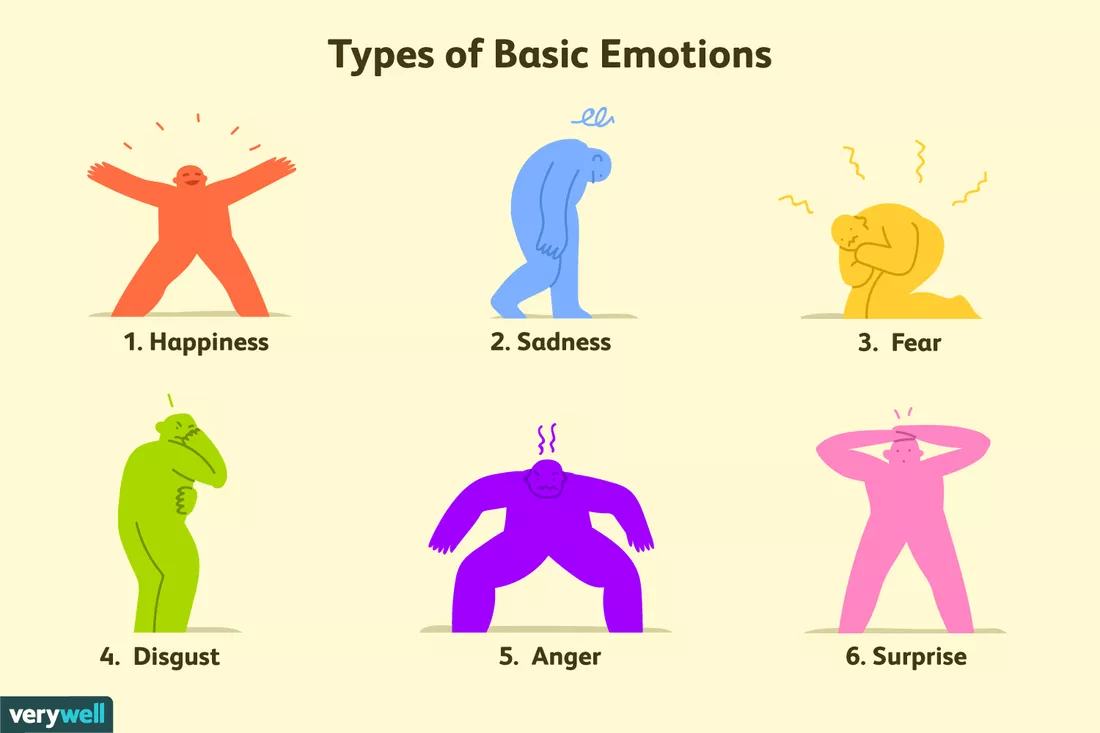
The reason lies at the heart of the debate between basic emotions or classical models and constructivist approaches to emotion, i.e., between the assumption that emotions are discrete categories of experience biologically wired in our brains, and the hypothesis that discrete emotions emerge out of more general neural or brain networks not specific to emotion (Linquist, Wager, Kober et al. 2012). Recent neuroscientific models generally accept the lack of evidence for one-to-one mappings between particular emotions and isolated brain regions, such as the amygdala. Nevertheless, some approaches still assume the existence of basic emotions (i.e., anger, disgust, fear, happiness, sadness, and surprise) that can be associated with distinct feelings, facial expressions and patterns of autonomic activity (Nummenmaa & Saarimäki 2018). In contrast, constructivist approaches pose that evidence for such specificity is scarce and inconclusive, pointing instead to evidence for intra- and inter-emotion variation, i.e., differences in behavior and autonomic activity across instances of particular emotions as well as to overlap across emotions (Barrett 2009; Barrett & Satpute 2018).
Constructivist approaches sustain that emotions result from domain-general mechanisms that are not specific to emotion, and are highly sensitive to fluctuations in the external environment and the internal milieu. From this perspective, neural networks do not have the sufficient conditions to experience particular emotions. Linquist, Wager, Kober et al. (2012: 124–126) establish that the psychological construction of emotion rests on four basic operations: (1) core affect, (2) conceptualization, (3) acquisition of emotion words, and (4) executive attention:
- Core affect refers to the sensory input from our bodies that helps us deal with salient stimuli in the environment. Changes in core affect may inform us of the simple need to eat or the existence of a potential threat in our environment.
- Conceptualization is the process by which these internal sensory cues and associated affective feelings are made meaningful. By linking changes in core affect to our stored prior experiences, our brain makes predictions on the basis of the particular context. Thus, a sudden acceleration of heart rate may be interpreted as a physical symptom of excessive caffeine consumption after drinking too much coffee, or as an instance of stress in an exam situation.
- Emotion words play a relevant role in the conceptualization process when making sense of core affective states. Assuming that emotion categories are socially constructed and do not form natural categories, words may serve to create categories. By learning new words, we can conceptualize instances of emotions previously unknown to us.
- Finally, executive attention serves to integrate all the other psychological operations. For instance, it helps determine which representations of the past may become active, which information from outside the body may be favored, or whether core affect may be consciously represented in awareness.
But what are the implications for TIS? The first obvious implication is that translation is useful, not only to widen our experience and perception of emotions, but also to increase our emotional regulation skills. Barrett (2017) exemplifies the effect of learning a new emotion term such as Schadenfreude, a word used to refer to the experience of pleasure or self-satisfaction that comes from witnessing the troubles or failures of others. Only with its explanation, without knowing the actual word, most people could still manage to construct the concept and ‘experience’ the emotion, though it would probably be rather difficult. However, when the word is heard and used often, the whole process becomes more automatized and the experience gets triggered more easily. Besides, learning new emotion words can help us regulate our emotions more efficiently by learning to experience more subtle emotions. Barrett points here to the potential benefits of learning, for instance, the distinction between distress and discomfort for people with chronic pain. Learning new emotion concepts and subtle meaning differences between close words or synonyms can help us strengthen our control mechanisms. Thus, translation and interpreting become powerful tools at the service of emotional regulation. There is even the possibility that professional practice may be beneficial, an assumption supported by findings on professionals being better than novices at regulating their emotions (Rojo & Ramos 2017).
![[heading title]](2.2-X.png "[heading title]") The fuzziness of emotion categories
The fuzziness of emotion categories
Another clear research implication of adopting a constructivist account of emotions is the need to differentiate between core affect –also named arousal or activation– and emotion. Can we actually claim that by measuring affect we are actually reflecting on emotions if the latter only result from conscious conceptualization? How do we know that by recording heart rate or skin conductance measures we are actually assessing stress instead of any other biological need or physical symptom? The answer is rather simple: we cannot, unless we use self-report measures.
The picture gets even fuzzier when other terms are added to the category. Emotion is itself commonly used as an umbrella term for emotions, feelings, moods or other affect-related phenomena. Blurred definitions of these phenomena are the stock-in-trade of psychologists and many other emotion researchers, who are still far from deciding where to draw the lines among the many concepts available. The differences between the concepts ultimately depend on the theoretical framework, but generally rely on three major parameters, namely the consciousness, duration and specificity of the state.
At the risk of simplification, mood points to states that last longer and are less specific or broader than those of emotions, whereas the latter involve cognitive processes and are concerned with a specific object. Emotions are intrinsically complex and involve sets of interrelated subevents; hence, the label prototypical emotional episodes coined by Russell & Barrett (1999). Affect –or core affect for Russel & Barrett (1999); others have labelled them activation, feeling or mood– refers to a “neurophysiological state consciously accessible as a simple primitive non-reflective feeling” (p. 806). Like mood, affect may not be directed at any object; in fact, for Russell (1996), mood is prolonged core affect without an object. However, core affect may also become directed at an object, as when being part of a prototypical emotional episode. Russell & Barrett (1999: 808) propose that affect can be described by two independent graded dimensions: pleasantness –also known as valence– and activation, also known as arousal. Examples of affect include, for instance, a sense of pleasure or displeasure, tension or relaxation. Humans are always in some state of core affect, but our consciousness of it will depend on its intensity. We may be generally unaware of it –remaining as part of our interoceptive milieu–, but it may also be available to consciousness as lower dimensional feelings of affect, with properties such as valence and arousal becoming basic features of consciousness but never unique instances of emotions. This may be the case, for instance, when we become aware of our heart palpitations but we are unable to tell whether they are caffeine-related or caused by a crush on the interlocutor.
According to this view, emotions are only constructed when interoceptive sensations are intense or when the change in affect is so big that it becomes foregrounded in awareness. Thus, emotions are not responses to a situation, but rather result from our attempt to make sense of salient affect based on our capacity for prediction. Our brain allows us to make sense of affect and construct emotions because it has the capacity to reconstruct past experiences as partial neural patterns that continuously anticipate events in the environment and plan for the best action. Information from the world not expected or anticipated functions as feedback that can be learned to modify our predictions (Barrett & Satpute 2019: 15).
Conceptual clarification is constantly conjured up in research, where we often need to distinguish between closely related phenomena. An example is the potential overlap between emotions, stress and anxiety. Although the three terms are often used rather interchangeably in TIS, some conceptual and methodological clarification is in order. Conceptually, emotions are considered to result from one’s attempt to make sense of salient affect. The three would share the presence of core affect, the main difference being the presence or absence of a trigger –stress is typically caused by an external trigger that may be short-term, while anxiety is normally long-term and persists in the absence of a trigger– and in how salient affect or arousal would be interpreted on the basis on prior experiences. A racing pulse, dry mouth and sweaty hands before a translation exam can be conceptualized as symptoms of positive stress for those who usually perform well in exams; of anxiety for those who tend to suffer mental blocks and apprehension to exams; or even as a particular instance of an emotional experience elicited by the text or the student’s personal situation.
Emotions and stress are closely related phenomena that share the same physiological and brain mechanisms. But from a methodological point of view, there is a difference. When core affect needs to be associated to a particular instance of an emotion, self-reporting may be our best bet. Linking racing pulse to fear as opposed to anger requires the combination of heart rate measures and self-report scales on these particular emotions. Even then, no magic solution is guaranteed, since most existing self-report measures address broad affect dimensions and dispositional emotional tendencies rather than momentary distinct emotions.
Weidman, Steckler & Tracy (2017) point to conceptual fuzziness, imprecise measurement and casual scale usage as the cause of the existing "jingle-jangle" of emotion assessment. They use the label jingle fallacy to refer to cases where a single emotion is measured with different sets of words across studies (e.g., using angry and agitated to measure anger) and the jangle fallacy for cases in which distinct emotions are measured with the same words (e.g., using anxious to measure both anxiety and fear). They also warn against the use of scales that are not systematically developed, including only a single item or featuring items used to measure at least one other emotion on a separate scale. The limitations of emotion assessment and measurement in research are one of the key issues that will be addressed in the following section.
The search for a ‘gold standard’ measure of emotions
The search for a "gold standard" measure of emotions has so far proven fruitless (Mauss & Robinson 2009). Emotion measurement is closely linked with theories on their nature and origin. A crucial issue in TIS is whether physiological markers of affect (e.g., a decrease in heart rate) can be a sufficient indicator of a particular instance of emotion (e.g., sadness), that is, whether affect can be equaled to emotion. Once again, the answer will depend on the theoretical view we adopt.
Evidence of variability in our appraisal of others’ emotions is one of the strongest supports against the classical view of emotion (Barrett 2009). As intuitive as the view on the existence of "universal" emotion fingerprints is –e.g., tears and decelerated heart rate for sadness, a clouded brow and accelerated heart rate for anger, etc.–, at one point or another, we have all failed at assessing the emotional state of others, even of the people we know best. Our prediction capacity may improve with knowledge –the more data, the better. Control mechanisms in experimental studies may also serve to define emotional experience with greater precision. In experimental design, text parameters (e.g., level of difficulty, topic, etc.), environment conditions (e.g., familiarity, ambient conditions, etc.) and even personal habits (e.g., resting, smoking, eating and drinking, etc.) can be controlled to allow researchers to minimize the presence of intervening variables. But the task of controlling every confounding variable seems –and most likely is– impossible. The more complex the stimuli, the more difficult to control for a particular emotion, as in the case of experiences watching films. No matter how hard we try to control for all the emotion-eliciting qualities (e.g., dialogue, music, image, etc.), cannot manage to expand our hold over every spectator’s present and past experiences or level of general well-being.
Variation is the norm when it comes to emotional responses; one person may shed tears of joy when winning a competition while another may just give a timid smile. Clearly, this poses a great challenge for emotion measurement, and demands extreme caution when using just physiological measures to study emotions. Apart from knowledge of individual differences and context data –both past and present– the sensible way forward to achieve optimal measurement would be for researchers to adopt multi-method approaches. Since assessment of different emotional responses is not necessarily correlated, all –or at least some– of them would need to be measured in coordination to achieve a more accurate experience of emotion. The following sections look over the advantages and disadvantages of some of these measures (more detailed reviews in Mauss & Robinson 2009 and Harley 2015).
Behavior responses
Emotions prime behaviors or action dispositions, which can be analyzed as measures of emotion states. We use here behavior responses in a wide sense, to cover any facial display, body posture, acoustic and rhythm feature of speech, or interaction with the environment that may occur in response to an emotional episode.
Facial display has been one of the most frequently used measures of emotional behavior, to the point that some theories sustain the existence of prototypical expressions of at least six basic emotions –i.e., anger, fear, disgust, happiness, sadness, and surprise– that can be recognized cross-culturally (e.g., Ekman & Friesen 1971).
Facial behavior can be analyzed manually by trained coders who detect facial muscle movements or actions on the basis of reliable scoring protocols (e.g., the Facial Action Coding System; Ekman & Friesen, 1978), or by using facial electromyography methods (EMG), which measure electrical potential from facial muscles through electrodes placed on the face. Alternatively, there are now computer programs (e.g., FaceReader) with automated facial coding engines that allow for the automatic analysis of emotions in facial display. Some of them also provide integration of eye-tracking and physiological data.
Facial display analysis has proved useful to assess the valence of a person’s emotional state, but it has limitations for discrete emotional reactions because there is no clear association between emotional states and facial behavior. People may smile when being happy or frustrated, after success or failure (e.g., Schneider & Josephs 1991). Most programs work well with a limited range of emotions –mainly the six basic emotions mentioned– but do not recognize more subtle emotional expressions. Another caveat of this type of analysis is its sensitivity to cultural factors or the inferred presence of an audience.
 |
| Facial expressions. Source The Therapist Parent. |
Despite a few shortcomings, the analysis of facial display has great potential for the study of basic emotions in TIS, where facial expressions can be screen-recorded while participants work at a computer. The limitations to discriminate between discrete emotions across the same valence can be overcome by combining it with self-report measures.
As in the case of facial expressions, certain emotional states are assumed to have distinct bodily behavior prints. Evidence on body posture is still scant, but findings suggest that some emotions are primarily associated with facial behaviors –because they serve individual-level adaptive functions–, while others are centrally linked to whole-body behaviors –since they signal a person’s position within a social status hierarchy. Emotions such as anger, fear, disgust, happiness or sadness are largely linked to facial behaviors, whereas others such as pride and embarrassment are associated with expansive and diminutive body postures, respectively.
The analysis of body posture has great potential for interpreting research, especially for modalities –e.g., liaison, whispered interpreting– and fields, e.g., public services, where interpreters interact with their interlocutors. Even if evidence on body posture is still scarce, its link to social-status-related emotions seems useful for discriminating between specific emotions.
The analysis of acoustic and rhythm features of speech has proven particularly fruitful in relating higher levels of pitch –i.e., also known as fundamental frequency or F0– and amplitude (i.e., loudness) with higher levels of arousal, but its link to valence or discrete emotions is still feeble. Although still relatively sparse, work is this area is promising, especially considering the latest advances in the digital analysis of speech. This type of analysis has great potential for fields where speech delivery performance plays a prominent role, such as interpreting. In conjunction with self-reports, speech analysis can be used as an indicator of stress and anxiety in IS.
Emotions can also show on the way people interact with tools in their work environment. One way to analyze people’s interaction with computers has been the use of log-file data as a measure of emotion. Log-file data analysis has proved participants’ behavior in computerized environments useful as a predictor of their affective states. Behavior has been analyzed in two different ways. One approach has explored correlations between learners’ affective states, such as boredom, frustration, confusion, or engaged concentration, and their computer interaction behavior, focusing mainly on correct and incorrect performance, asking for help, repeated pausing, or response time.
The second approach has aimed at demonstrating the effectiveness of language and discourse analysis for emotion inference, targeting mainly the analysis of ‘sentiment’ features. Analyses are primarily based on counting the number of words relating to a category indicative of a psychological process, or on cohesion relationships (e.g., co-reference, semantic cohesion, etc.).
The greatest advantage of log-file data is that it provides researchers with a relatively low cost and scalable option that can be easily implemented in classroom research and allows for online and real-time measures of emotion. Since log files provide rich contextual information, they also have the potential to differentiate between emotional states with similar physiological traces.
The major shortcomings of using log file data to measure learners’ emotions relate mainly to the huge volume of data provided for analysis and the need to develop tools and techniques adapted to the specific needs of each research area. Log-file data is a commonly used measure of cognitive effort in TIS (Carl, Bangalore & Schaeffer 2016), where generic keylogging programs such as Inputlog are used to analyze the translation process, and where there are tools (e.g., Translog-II) specifically developed for analyzing translation. Still, to measure emotions in translation log-file data asks for parameters of analysis reflecting emotional behavior.
Eye and startle responses
Eyes may reflect people’s desires, needs, cognitive processes and emotions. Understanding of the relationship between eye movement and the expression of emotion is still far ahead, but there is now evidence suggesting that eye movement can also play an important role in communicating and capturing people’s emotional states. Most studies have analyzed eye behavior when looking at emotional stimuli. The assumption is that emotion is in close connection with other cognitive processes, such as attention or memory. Eye-tracking is the most common procedure to measure eye movements by directing near-infrared light towards the center of the eyes –i.e., the pupil– and causing detectable reflections in both the pupil and the cornea –i.e., the outer-most optical element of the eye. The expression of emotion has been associated with parameters such as the duration of eye saccades and fixations, the position of the eyelid and the blink rate (Fabio, Gullà & Errante 2015; Lim, Mountstephens & Teo 2020).
The amplitude of eye blinks can also be measured as a symptom of the startle response, a universal reflex that involves multiple motor actions, including tensing the neck and back muscles and eye blink. The startle response serves a protective function, guarding against potential bodily injury. Electromyography is one of the most common procedures used to measure the amplitude of eyeblink by assessing muscle activity from electrodes placed over the orbicularis oculi muscle, just beneath the lower eyelid. The most frequently used startle-eliciting stimulus is the so called “startle probe”, a brief burst (50 ms) of white noise within the 95–110 decibel range.
Eye movement can be associated with emotional states through attentional processes. Similarly, startle response can be linked to the valence dimension of emotional states. In the case of startle response, a larger amplitude has been found in the context of high-arousal negative stimuli and a smaller one in the context of high-arousal positive stimuli. However, the measure does not appear to assess discrete emotional states. To our knowledge, startle response measurement has not been used in CTIS, despite its potential as a low invasive method. In contrast, eye-tracking has been extensively used to measure cognitive processes, but has not yet been employed to research emotional experience, even though its potential for emotion research is being increasingly stated (e.g., Kornacki 2019).
Autonomic, hormone and brain responses
Our survival, well-being and emotional response require appropriate physiological responses to environmental and homeostatic challenges. The reestablishment and maintenance of homeostasis –i.e. the condition of optimal functioning for the organism– entails the coordinate activation and control of autonomic, endocrine and brain systems.
Different emotional states have been assumed to involve specific patterns of activation of the autonomic nervous system (ANS; James 1884). ANS is the physiological system in charge of modulating peripheral functions. It is a general-purpose system, so emotional response is not the only prompt to activate it, since it is also related to processes of digestion, attention, etc. It consists of sympathetic and parasympathetic branches responsible for activation and relaxation, respectively.
The indices of ANS activation most commonly assessed in the literature are based on electrodermal and cardiovascular responses. Electrodermal response is usually measured in terms of skin conductance level (SCL) or short-duration skin conductance responses (SCRs). Cardiovascular response includes, among others, measures of heart rate (HR), blood pressure (BP), and heart rate variability (HRV). These measures differ in whether they primarily reflect sympathetic activity, parasympathetic activity, or both. SCL reflects mainly sympathetic activity, whereas HRV is primarily linked to parasympathetic activity; HR and BP reflect a combination of both.
 |
| Autonomic nervous system. Source S. Parasuraman. |
So far, evidence has failed to prove that discrete emotions have distinct ANS prints. Results show that ANS responses are associated with broader dimensions of valence and arousal, but cannot discriminate between specific emotions. Nevertheless, patterns of multiple ANS measures might yield better predictions of discrete emotional states. For instance, Kreibig, Wilhelm, Roth et al. (2007) demonstrated that eleven ANS measures can be jointly used to differentiate responses to fear- versus sadness-inducing films (matched on valence and arousal) with 85% accuracy.
The ANS interacts with the endocrine system to elicit chemicals that also influence our feelings and behaviors. Glands in the endocrine system secrete hormones, which are chemicals that move throughout the body to help regulate emotions and behaviors. The physiological arousal associated with certain emotional states, such as anger, aggression, fear and anxiety, involves the activation of different hormones, including cortisol.
Cortisol is the main glucocorticoid hormone in humans. It is released from the adrenal cortex in response to adrenocorticotrophic hormone (ACTH) and regulated by the hypo-thalamic- pituitary-adrenocortical (HPA) axis. Cortisol regulates many physiological systems and is one of the most prominent stress hormones. It can be measured in plasma or salivary samples, the latter being less invasive and more trauma-free. Analysis of cortisol levels in plasma has been used as an indicator of stress in interpreting studies, where the oral cavity is best kept free to articulate speech (e.g., AIIC 2002). The relationship between hormones and emotion may be bidirectional, since hormone secretion can be the response to emotional states, but also its cause.
Physiological correlates of emotions can also be found in brain states, by using electroencephalography (EEG) and neuroimaging methods such as functional magnetic resonance imaging (fMRI) or positron emission tomography (PET).
Because of their limited space resolution, EEG measures contrast relatively wide brain regions –front vs. back and left- vs. right-hemisphere. The EEG measure most frequently used in emotion studies is frontal asymmetry, which contrasts alpha power –an EEG measure (8–13 Hz band) inversely related to regional cortical activation– in two regions. As for fMRI, it measures the uptake of oxygen in the blood, while PET measures metabolic activity in the brain through the concentrations of an injected radioactive isotope. In both technologies, a greater signal is assumed to reflect the “activation” of a particular brain region through greater blood flow.
Results from both EEG and neuroimaging studies on emotions indicate that activation of brain regions and localizable brain circuits is linked to more general motivational states either to approach a desired stimulus or avoid an undesired one–left-hemisphere being related to approach and right to avoidance– rather than to specific emotions. These results suggest that emotional states are complex reactions likely to involve sets of circuits rather than isolated brain regions. In spite of limitations, the high spatial resolution of neuroimaging methods and their potential to examine interrelated activity among multiple brain regions is promising for understanding whether and how emotional specificity is instantiated in the brain. However, their ecological validity for TIS is rather low. Resemblance of the real world is particularly low in fMRI and PET, which require the person to lay on their backs inside the machine. But even if EEG equipment does not prevent translators from working at a computer, the technique has great limitations for processing whole texts and works best with isolated words.
Self-report measures
The method most widely used to measure them is probably participants’ self-reported or perceived experience. Best research practices strongly suggest that they be administered and corrected by a specialist. Nevertheless, they are relatively easy to use and require little expertise in terms of coding, scoring and analyzing –at least when compared to more technological methods. Besides, a high degree of flexibility is allowed when administering them –e.g., they can be used before, during or after the intervention. These advantages, together with the increasing popularity of constructivist theories of emotion, have pointed to them as the closest ‘gold standard’ measure of emotions and a valuable method to cross-validate the findings of other methods (Porayska-Pomsta, Mavrikis, Mello et al. 2013).
Discussion on the validity of self-report measures of emotion cannot be approached from an all-or-nothing posture, since it usually depends on the type of self-report. For instance, self-reports of current emotional experiences are likely to be more valid than those of emotions distant in time. Most disadvantages of the method pertain to their temporal administration and the need for participants to self-rate their own emotions.
Harley (2015: 17) provides a detailed account of their advantages and disadvantages: Firstly, they provide off-line measures that interrupt participants’ attention and drive it away from the emotion stimuli. Secondly, accuracy of the self-reported emotional states may be challenged by the following circumstances: (a) not having experienced that emotion before; (b) not being able to accurately remember an instance of an emotion; (c) having a different understanding of the emotional label from the one intended by the researcher; (d) restraining from espousing one’s emotions due to social desirability; (e) having another emotion elicited by the self-report measure (e.g., boredom, tiredness), which may be different from the object of the study; (f) the effect of the time span between experiencing the emotion and being asked to report it.
These shortcomings can nevertheless be minimized by implementing good practices that allow for a more transparent operationalization of emotions; reduce the time span between the experience of the emotion and the administration of the scale; facilitate accuracy of recall by prompting cued retrospection of emotion; or decrease item fatigue and the possibility of concurrent negative emotions by controlling for the length and complexity of questionnaires. In short, self-report measures provide a convenient and effective method of data collection in emotion research, provided they are implemented rigorously and their limitations duly acknowledged. To date, they are the most frequently method to measure emotion in TIS, although we need more precise scales adapted to TI specificities. Validated translations of questionnaires into different languages are also needed to avoid unvalidated self-adaptations of scales.

Emotion research has taken giant steps, but many more need to be taken. We still know little about the nature, causes and consequences of emotions. This entry has sketched some of these issues and discussed their relevance for CTIS, but we also need to reflect on the future of emotion research. Discussions point to three relevant domains or lines of research on emotion.
The first is theoretical progress. We need greater theoretical unification to allow for consensual definitions and understandings of emotions. Cognitive-translatological theories need to integrate findings on the role of emotions in TI. Such integration requires meta-analyses that bring results from different studies together, allowing researchers to provide coherent explanations on the role of emotions in TI processes and to postulate further hypotheses that can also be empirically tested.
The second domain concerns measurement. Adequate measurement is a necessary condition to guarantee the progress of any empirical science. There is much progress in the measurement of emotions, especially regarding new techniques to measure ‘objective’ signals of emotions, such as physiological, muscle, or brain activity, but one modality should not replace another. Evidence points to a relatively low correspondence between different modalities or components involved in emotion. This calls for adopting multi-method approaches to allow researchers to triangulate different measures and provide a more holistic and accurate description of emotions. The joint use of detection methods and measures cannot only improve emotion detection accuracy, but also help identify the "golden standard" for measuring emotions. Even when subjective experience is accepted as the best defining element of emotion, there is still much room for improvement in using this measure, especially in CTIS. We need better scales that avoid the bias imposed by social desirability, the undesired influences of poor or distorted memory, and order and presentation effects. Likewise, more validated translations of existing scales are needed as well as new ones adapted to the specificities of TI.
Finally, the third domain relates to the need to increase ecological validity, studying real-world phenomena that reflect daily TI work. Unfortunately, the search for increased control in experimental designs has brought about a decrease in the ecological validity of the studies. Working with electrodes on one’s scalp, face or hands is not only awkward and unpleasant, but also far from the reality of translators’ and interpreters’ daily work. Such a claim requires researchers’ willingness to loosen up experimental control. Perhaps it is also time to accept that translation –as any other language-centered task– may benefit from laxer experimental designs that can accommodate for more realistic scenarios.